
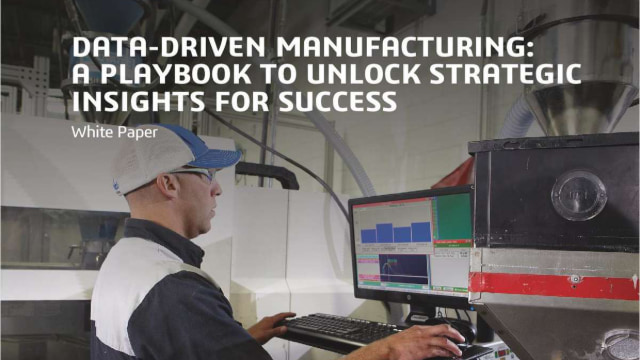
Data-driven manufacturing gives manufacturers the information they need to make smarter decisions, improve efficiency and identify new opportunities for growth. By collecting and analysing production data, manufacturers can gain a clearer understanding of their operations and identify areas where performance can improve.
What is data-driven manufacturing?
Data-driven manufacturing uses information from machines, production systems, sensors and other business processes to support decision-making. Instead of relying only on experience or assumptions, manufacturers can use real-time and historical data to understand what is happening across their operations.
This approach can help businesses identify production delays, equipment issues, quality problems and unnecessary costs. It can also help teams understand where resources are being used and where improvements could deliver the greatest results.
How data can improve manufacturing
One of the biggest advantages of data-driven manufacturing is improved operational efficiency. Production data can highlight bottlenecks and help teams understand why they occur. Manufacturers can then make targeted changes instead of relying on trial and error.
Data can also support predictive maintenance. By monitoring equipment performance, manufacturers may identify warning signs before a machine fails. This can reduce unexpected downtime and help businesses plan maintenance more effectively.
Quality control can also benefit from better data. Manufacturers can track production results, identify recurring defects and investigate potential causes. This can improve consistency while reducing material waste and rework.
Turning data into strategic insights
Collecting data alone does not create business value. Manufacturers need to turn that information into useful insights and clear actions.
Leaders can use production data to compare performance, monitor key performance indicators and identify opportunities to reduce costs. Combining data from different areas of the business can also provide a broader view of the manufacturing process.
For example, production, maintenance and quality data can work together to show how equipment performance affects output and product quality.
Building a data-driven manufacturing strategy
Manufacturers should start by identifying the business problems they want data to solve. They can then determine which information they need and how they will collect it.
A successful strategy should also include reliable data management, clear performance targets and regular analysis. Employees need access to useful information and should understand how to apply it to their daily decisions.
With the right approach, data-driven manufacturing can help businesses improve productivity, control costs and make more informed strategic decisions.
Fill the form below and access the content for free.
Sponsored By